


.png)
For power-intensive industries, electricity management is becoming a production and market problem, not just an energy-efficiency problem. A change in load can alter procurement requirements, imbalance exposure and production economics within the same operating window. The scale of consumption means small forecasting or scheduling errors can carry material cost consequences.
The harder question is how to manage that exposure without compromising output. Energy teams need to keep forecasts, schedules, procurement positions and actual consumption aligned, while identifying where flexibility can be used commercially.
In these industries, energy management increasingly means connecting production with the power market: optimising how electricity is bought, used and, where flexibility allows, sold through market participation without compromising production.

A forecast only matters if it changes what the company does with electricity. Once expected load changes, schedules and orders may need to be revised across PPAs, spot-market purchases and other procurement positions. In power-intensive operations, that process has to happen before gate closure, which puts a practical time limit on how long teams have to react to new production information.
This is where automated industrial energy management becomes operationally relevant. Forecast updates can feed directly into scheduling and ordering workflows, reducing repeated manual recalculation and helping keep purchased volumes closer to expected consumption. The objective is not automation for its own sake. It is to reduce avoidable deviations, improve PPA utilisation and limit the volume exposed to imbalance settlement.
For power-intensive users, procurement is not finished when the contracts are signed. Actual demand still has to be matched against available PPA volumes, spot-market purchases and other electricity positions. When expected load changes, the most appropriate allocation between those sources can change with it.
This makes PPA optimisation an operational process as much as a contracting exercise. Better forecasts and updated schedules give procurement teams a clearer basis for deciding how much electricity should come from contracted volumes and how much needs to be bought on the spot market. Keeping those decisions close to expected physical consumption can help reduce industrial electricity costs without requiring changes to core production.
Imbalance costs are ultimately determined by the difference between the scheduled position and what the plant actually consumes. By the time that difference appears in a settlement report, the operating period has passed and the opportunity to correct the underlying position is gone.
That changes the role of near real-time energy data. Monitoring actual load against schedule during operations allows energy teams to identify deviations earlier and assess whether schedules, orders or consumption can still be adjusted. For large industrial loads, shortening the time between a deviation occurring and someone acting on it can materially change the volume exposed to imbalance settlement.
Not every costly electricity event begins with a bad procurement decision. Risk can emerge during normal operations, and the key is identifying it while there is still time to act.
Live risk monitoring helps energy teams identify situations such as:
Depending on the situation, the response may be to investigate a load deviation, revise an electricity position, or determine whether consumption can be adjusted within production constraints.

A large industrial load may look flexible from the electricity system's perspective, but the plant determines what is actually available. Process limits, production targets, equipment constraints and the cost of changing consumption all affect whether a megawatt can genuinely be offered to the market at a particular time.
This is where industrial flexibility becomes a calculation rather than an assumption. Available capacity needs to be assessed against operational boundaries and flexibility-related costs before bid volumes and prices are determined. When those conditions are met, power-intensive users can participate in balancing markets and generate revenue from available flexibility without treating core production as negotiable.
Knowing that a plant can adjust load is only the first step. To participate in balancing markets, that flexibility has to become a viable market offer. The calculation needs to reflect how much capacity is available, when it is available, the operational boundaries around it and the cost of changing consumption.
In practice, that means moving through four questions:
SnerpaPower connects these production constraints with market conditions so available flexibility can become a controlled commercial opportunity. The platform dynamically assesses what flexibility the plant can provide, applies defined operational boundaries and can generate bids for balancing markets accordingly.
The objective is not simply to automate bidding. It is to help industrial companies create revenue from flexibility that genuinely exists within the production process, without putting core operations at risk.
How industrial energy management is changing is particularly relevant for power-intensive operations because more decisions are moving closer to real operating conditions. The energy function increasingly needs to manage several moving parts at once:
The common requirement is timing. Better data or forecasts have limited commercial value if they arrive after the relevant scheduling deadline or operating period. For power-intensive users, effective electricity management increasingly depends on connecting changing plant conditions with power-market decisions while there is still time to act.
Done well, that creates three clear sources of commercial value: lower electricity and imbalance costs, better control of operational and market risk, and new revenue when available flexibility can be brought to the market.
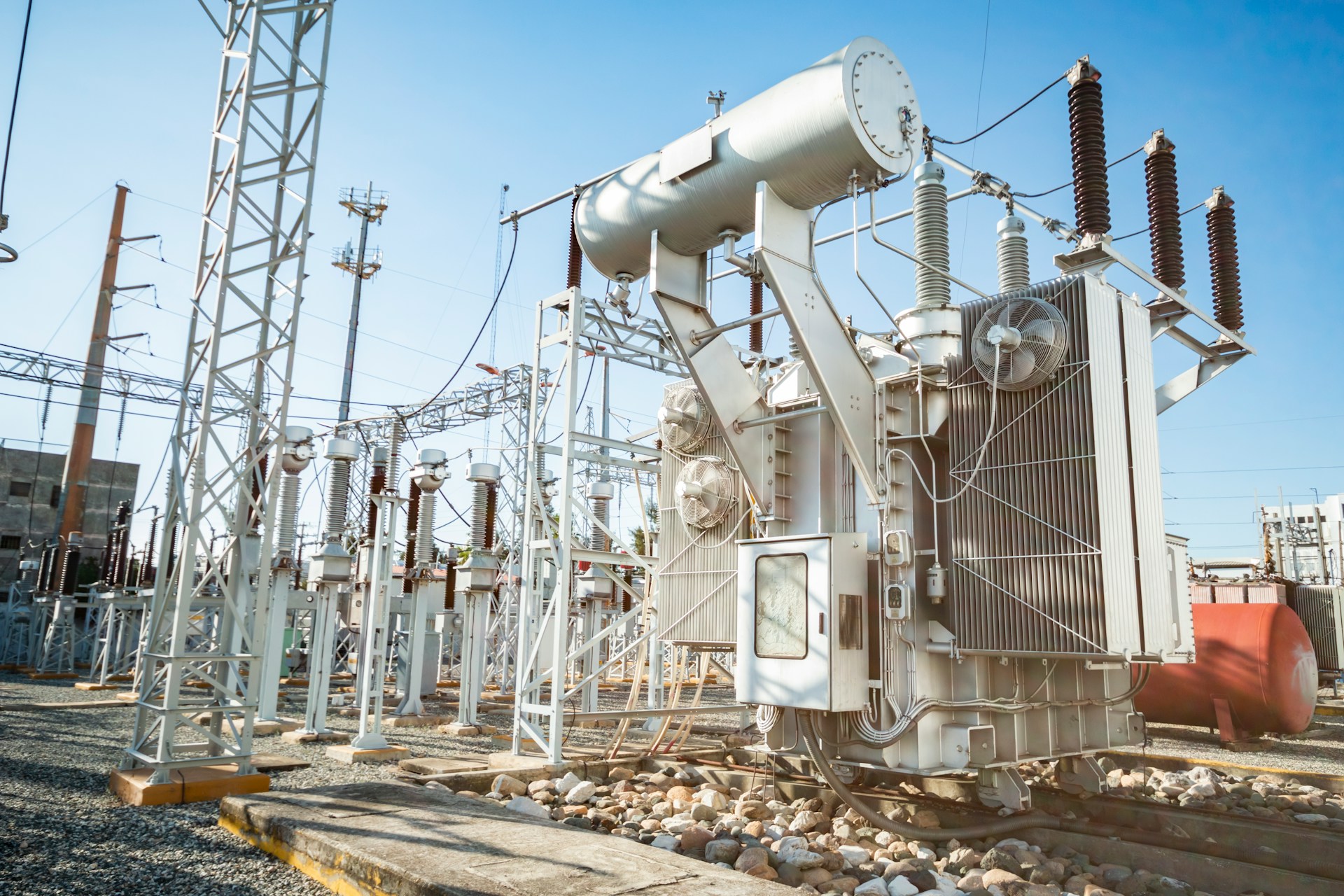
Electricity represents a significant operating input, so relatively small differences between forecast, scheduled and actual consumption can translate into substantial energy volumes. Energy management therefore needs to account for production constraints alongside procurement, scheduling, imbalance exposure and market conditions.
Load forecasts provide the basis for electricity schedules and purchasing decisions. When forecasts remain closer to actual consumption, energy teams can reduce deviations and the volume potentially exposed to imbalance settlement.
PPAs can provide contracted electricity volumes, but those volumes still need to be managed against changing plant demand. Forecasting and scheduling help determine how expected consumption should be covered across PPAs and, where relevant, spot-market purchases.
Industrial loads that can change consumption within production and equipment constraints may be able to provide balancing services. Available capacity, operational limits and flexibility-related costs need to be assessed before appropriate bid volumes and prices can be calculated.
No. SnerpaPower works with the customer's existing Balancing Responsible Party arrangement, whether the company performs the BRP role internally or outsources it.





.jpg)


.png)

.svg)


.png)
.svg)