


.png)
Industrial energy management is moving beyond monitoring consumption and improving efficiency. Rising electricity prices, grid constraints, electrification and more renewable generation mean power-intensive companies increasingly need to forecast demand, schedule electricity use and respond to changing market conditions.
What is changing is the timing of those decisions. Forecasting, scheduling, risk monitoring and flexibility increasingly need to operate within the same windows as production and electricity markets. For energy teams, knowing what happened yesterday is less useful when the opportunity to reduce cost, manage risk or create market revenue exists today.
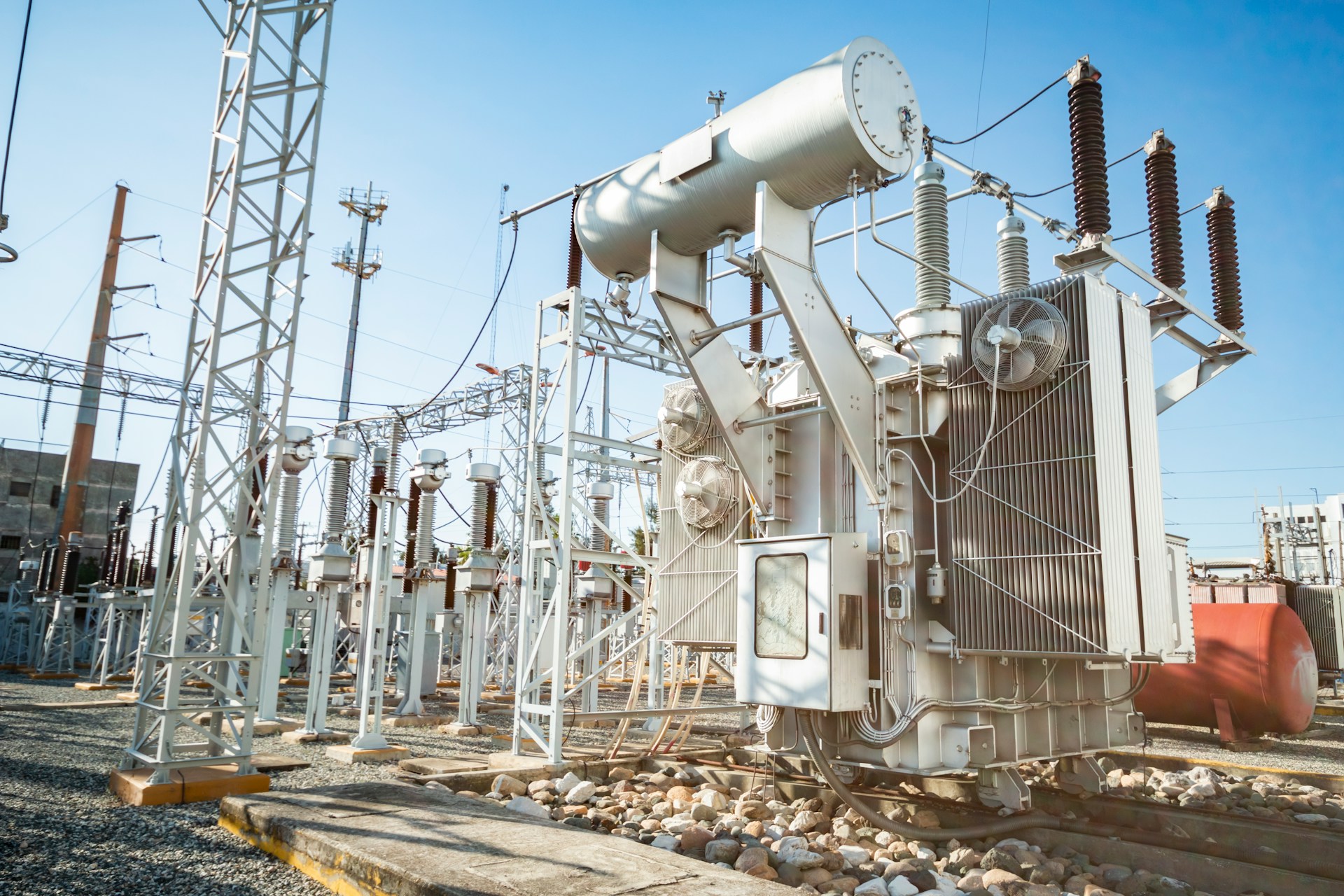
For power-intensive industries, some electricity demand can be adjusted within defined production, process and equipment constraints. That flexibility can be valuable in balancing markets, particularly when operators can determine how much load is genuinely available and the operational cost of changing it.
Available flexibility can be calculated close to real time using operational boundary conditions and user-defined parameters. Bid volumes and prices can then reflect both the available capacity and the cost of providing it, allowing industrial users to participate in balancing markets without treating production flexibility as unlimited.
Managing electricity across one industrial site already requires coordination between production conditions, load forecasts and electricity contracts. Across multiple sites, that operating picture becomes more fragmented. Forecast errors, maintenance events, local constraints and procurement positions can all differ by facility, making portfolio-level decisions harder to coordinate.
Industrial energy management software can consolidate site-level consumption, schedules, costs, and performance data without removing the operational differences between plants. That matters when companies need to compare schedule quality, identify where deviations are occurring, and decide whether electricity positions or flexibility should be managed locally or across a wider portfolio.
As more variable renewable generation enters electricity systems, supply conditions can change more significantly across the day. For industrial users, this increases the operational value of being able to forecast load accurately and understand when consumption can be adjusted without interfering with production.
Demand flexibility can help industrial operations respond to these conditions by shifting or modifying eligible loads within defined constraints. Combined with better forecasting and scheduling, this can support renewable energy integration while also creating opportunities to provide balancing services when the available flexibility has market value.
A procurement strategy can be sound and the operating day can still become expensive. Actual consumption may move away from schedule, electricity prices may change, or demand may approach a costly power peak. For an energy manager, the important question is not simply whether these events can be measured, but whether they are identified early enough to do something about them.
That changes what useful risk monitoring looks like. Alerts can be set around conditions such as:
The notification itself has little value if the relevant decision window has already closed. The operational value comes from identifying the condition while the team can still investigate the cause and determine whether the electricity position or consumption can be changed.

A change in plant operations can quickly affect the company's electricity-market position. If expected load changes, the forecast may need to change. That can alter the schedule, the volume required under PPAs or from the spot market, and ultimately the plant's imbalance exposure. If the same production change creates available flexibility, it may also affect what the plant can offer into a balancing market.
This is why the future of industrial energy management is less about adding another layer of energy reporting. The more useful development is a shorter distance between a physical change in the plant and the electricity decision that follows it.
Better energy data is useful, but its value declines when it arrives after the decision it could have influenced. A highly accurate load forecast delivered after gate closure cannot improve the schedule for that market period. A deviation detected after settlement cannot be corrected. A flexibility calculation based on yesterday's operating conditions does not necessarily describe what the plant can offer now.
That puts timing at the centre of modern industrial energy operations:
SnerpaPower connects industrial production with the power market, helping power-intensive industries act on changing plant and market conditions while there is still time to influence the outcome. Forecasting, scheduling, flexibility management and risk monitoring support those decisions within the relevant operating and market windows.
The objective is not simply to collect more energy data, but to make it usable before the opportunity to reduce cost, manage risk or create value from market participation has passed.

Industrial energy management is moving towards automated forecasting, scheduling, near real-time monitoring, industrial flexibility and closer electricity-market participation. These capabilities allow energy teams to respond to changing consumption and market conditions rather than relying mainly on historical reporting.
Load forecasts determine how closely electricity schedules and orders reflect expected consumption. Continuously updating forecasts as operating conditions change can reduce deviations and associated imbalance exposure.
Flexible industrial loads can adjust consumption within defined production and equipment constraints. Where the available flexibility meets market requirements, it can be offered into balancing markets to create an additional revenue opportunity without compromising core production.
Automation allows forecasts, schedules and electricity orders to be updated more frequently as new consumption and market data becomes available. This reduces repetitive manual work and enables energy positions to respond faster to changing operating conditions.
More variable renewable generation increases the importance of matching electricity consumption with changing system conditions. Better forecasting, scheduling and demand flexibility can help industrial users respond to these variations while supporting renewable energy integration.




.jpg)


.png)

.svg)


.png)
.svg)